Cultural Tapestry of Farewell: Cultural Traditions and Social Fabrics of Indian Funeral Customs
Wiki Article
Within the vibrant subcontinental heritage of India, customs dedicated to celebrating a completed life stand as a timeless testament to community devotion. Across every regional territory, the traditions associated with honoring an individual's earthly chapter combine artistic beauty, historical reverence, and communal harmony. Moving beyond individual grief, these customs serve as a vital cultural bridge, fostering hospitality, deepening community ties, and upholding generational respect. The initial hours of the ceremonial gathering are observed with attentive care and respect. Close relatives assemble to carry out customary washing and dressing that have been refined over centuries. The individual is adorned in clean, elegant garments tailored to regional heritage and personal status. In many traditions, classic white attire is selected, symbolizing quiet peace, dignity, and cultural simplicity. In other regional communities, traditional textiles featuring intricate patterns or specific cultural colors are chosen to honor the individual's age, social role, or lineage. Fresh blossoms and natural garlands form a central element in these preparations. Fresh garlands crafted from bright orange marigolds, sweet-scented jasmine, pristine lotus blossoms, and colorful roses are carefully arranged around the individual. These colorful arrangements represent more than mere visual beauty; they highlight the continuous beauty of life and family devotion. Anointing with cooling sandalwood, pure rose oils, and herbal extracts further highlights the aesthetic elegance and loving care embedded within the home-based preparations. One of the most visually striking and culturally significant aspects of these traditional farewells is the ceremonial procession from the family residence to the community resting grounds. Referred to as a collective march of respect, this peaceful walk along shared streets turns family sorrow into a dignified public tribute. Neighbors, extended relatives, and acquaintances gather along the entry paths, wearing simple white traditional attire to demonstrate solidarity and visual harmony. The rested individual is borne on a handmade platform assembled from natural materials, covered with decorative cloths and floral wreaths. As the procession moves through the streets, neighbors exchange places to help carry the bamboo litter. This hands-on participation represents a meaningful tradition of fellowship, proving that grief is met with shared strength. In many regions, soft rhythmic beats from local instruments or classic brass arrangements guides the walkers, establishing a solemn and respectful mood that honors the individual's legacy within the public sphere. The extraordinary variety of Indian heritage is clearly visible in the varied funeral customs observed across different geographical regions and ethnic groups. Even as mutual respect and community participation stay identical throughout, the visual and artistic details differ wonderfully from north to south, and east to west. Dead Body Transportation in Delhi Whether the final resting customs involve traditional earthen burials or ceremonial fire arrangements, the practice remains deeply rooted in local philosophy of offering the individual back to nature's elements with complete respect for the earth and ancestral eco-friendly customs. After the main day of farewell, Indian cultural heritage dictates a structured period of home-based remembrance, generally spanning ten to thirteen days. During this timeframe, the household remains open as a hospitality space for guests arriving from nearby and far-off locations who arrive to offer support, food, and companionship. Receiving guests with warmth remains a top priority. Freshly cooked vegetarian meals are made each day to feed visiting neighbors, family, and travelers. Sharing food in this manner encourages warm fellowship, encourages the sharing of fond memories, allowing the neighborhood to take care of all domestic chores for the family. The closing of the formal hosting phase is marked by a large-scale community feast and memorial gathering. Senior relatives recount the person's life history, good deeds, and values, preserving family heritage for children and grandchildren. Generous community donations—including gifting garments to neighbors, funding local schools, or providing meals to the needy—are organized as a meaningful tribute, building a lasting legacy of kindness and civic care.
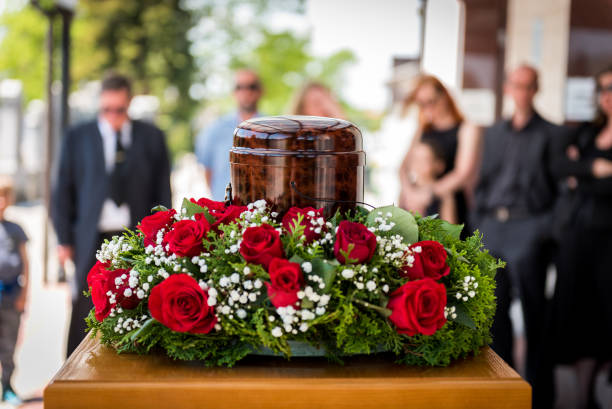
Peenya Crematorium Traditional communities in India meet this final transition through a harmonious mix of joint effort and refined etiquette. Whether in quiet country settlements or dense metropolitan districts, the active participation of the surrounding community forms the cornerstone of every ceremonial proceeding. These time-honored practices offer a meaningful space allowing society to express gratitude, care for grieving households, and pass on oral histories.
The Aesthetics of Preparation and Family Devotion
The Solemn Procession: A Walk of Shared Respect
Cultural Feature
Material Used
Community Role
Dress Code
Traditional White Attire
Symbolizes social equality, peace, and community unity.
Resting Platform
Handcrafted Local Bamboo
Reflects connection to nature and traditional craftsmanship.
Garlands
Fresh Marigolds, Lotus, and Roses
Expresses high regard, warmth, and artistic beauty.
Aromatics
Cooling Sandalwood and Rose Essence
Offers a fresh, dignified atmosphere.
Regional Expressions of Honor
Hospitality, Remembrance, and Social Continuity
Summary: Timeless Values of Community Honor
Kengeri Crematorium The farewell traditions of India present a masterclass in community togetherness, textile art, and social respect. By handling personal farewells with public grace and communal support, these practices highlight the power of family bonds and social networks. Through beautiful floral arrangements, white-clad processions, regional artistry, and generous hospitality, this heritage celebrates the completed life of every member while fortifying the enduring bonds of the community for generations to come.