Cultural Tapestry of Farewell: Cultural Traditions and Social Fabrics of Indian Funeral Customs
Wiki Article
Within the vibrant subcontinental heritage of India, cultural practices surrounding the final farewell of a community member represent a profound expression of collective heritage. In every corner of the subcontinent, the rites dedicated to paying final respects demonstrate unmatched grace, historical roots, and mutual support. Rather than focusing merely on loss, these ceremonies strengthen social continuity, fostering hospitality, deepening community ties, and upholding generational respect. The initial hours of the ceremonial gathering are spent in thoughtful, dignified preparation. Close relatives assemble to carry out customary washing and dressing preserved within family lines. The individual is wrapped in pristine ceremonial textiles representing local artistic styles. In many traditions, classic white attire is selected, reflecting social balance, harmony, and pristine beauty. In other regional communities, garments with decorative embroidery or regional dyes are selected to celebrate an elder's wisdom and societal contributions. Fragrant floral arrangements play an irreplaceable role throughout this artistic setup. Fresh garlands crafted from bright orange marigolds, sweet-scented jasmine, pristine lotus blossoms, and colorful roses are carefully arranged around the individual. These floral decorations are far more than aesthetic adornments; they represent the vibrant beauty of life and the honor bestowed by the family. The gentle application of aromatic sandalwood paste, natural rosewater, and traditional herbal essences underscores the high level of respect, hygiene, and beauty present in the household. Among the most celebrated social features of Indian funeral customs is the ceremonial procession from the household to the local ceremonial grounds. Referred to as a collective march of respect, this peaceful walk along shared streets unites the broader neighborhood in mutual support. Community members, distant relatives, and lifelong friends assemble along the entry paths, wearing simple white traditional attire showing total unity, equality, and shared respect. The rested individual is borne on a handmade platform made from natural bamboo, adorned with fresh green leaves, traditional woven textiles, and rich floral garlands. As the walk progresses toward the resting destination, members of the community step forward to take turns carrying the frame upon their shoulders. This hands-on participation represents a meaningful tradition of fellowship, proving that grief is met with shared strength. In many regions, gentle instrumental music played on traditional flutes, drums, or bells guides the walkers, establishing a solemn and respectful mood that honors the individual's legacy within the public sphere. The extraordinary variety of Indian heritage is clearly visible in the varied funeral customs observed across different geographical regions and ethnic groups. Although the foundational principles of hospitality and honor are shared everywhere, the visual and artistic details differ wonderfully across different climatic, geographic, and cultural zones. After the main day of farewell, Indian cultural heritage dictates a structured period of home-based remembrance, observed over nearly two weeks. Throughout these days, the domestic residence serves as a welcoming venue for visiting friends, distant relatives, and community members who drop in to share comfort and honor the family. Serving visitors during these days is a cherished cultural duty. Freshly cooked vegetarian meals are made each day to feed visiting neighbors, family, and travelers. This tradition of sharing meals fosters deep emotional connection, helps visitors reflect on the individual's positive contributions, allowing the neighborhood to take care of all domestic chores for the family. The final day of the memorial period is celebrated with an extended neighborhood meal. Elders speak about the individual's life legacy and community service, ensuring that their oral history is transmitted to younger generations. Generous community donations—such as donating clothing to community members, distributing food to those in need, or supporting local educational initiatives—are organized as a meaningful tribute, building a lasting legacy of kindness and civic care.
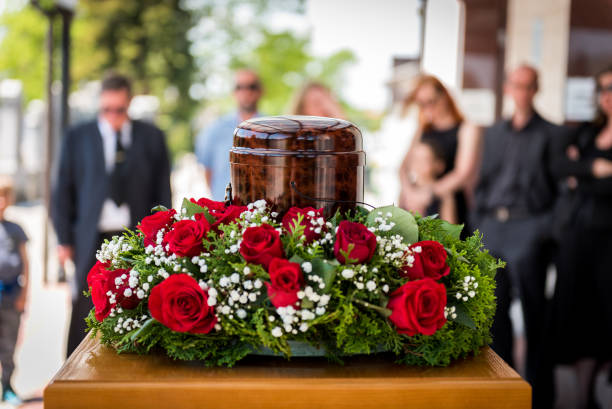
Peenya Crematorium Families across India handle these dignified moments with warm hospitality and deep cultural devotion. Across both historic towns and modern neighborhoods, the collective gathering of relatives, neighbors, and friends underpins every step of the cultural farewell. These time-honored practices offer a meaningful space through which communities offer mutual support, demonstrate respect for elders, and celebrate the enduring influence of a person's life legacy.
The Aesthetics of Preparation and Family Devotion
Processions of Honor: Community Unity
Aspect
Material Used
Community Role
Attire
Unadorned White Textiles
Reflects modest dignity and visual harmony.
Carrying Litter
Handcrafted Local Bamboo
Reflects connection to nature and traditional craftsmanship.
Floral Adornments
Marigolds and Jasmine
Expresses high regard, warmth, and artistic beauty.
Natural Essences
Herbal Extracts and Rose Oils
Offers a fresh, dignified atmosphere.
Regional Expressions of Honor
Dead Body Transportation in Kolkata Whether the final resting customs involve traditional earthen burials or ceremonial fire arrangements, the focus remains steadfastly on the cultural heritage of offering the individual back to nature's elements in a manner that honors the land and traditional environmental philosophy.
Communal Hospitality and Memorial Traditions
Conclusion: An Enduring Legacy of Respect
Hindu Burial Ground Adityanagra These subcontinental customs demonstrate a beautiful example of social values, artistic traditions, and profound community solidarity. By transforming a moment of farewell into a dignified celebration of cultural heritage, these customs prove the enduring value of shared hospitality and tradition. Through beautiful floral arrangements, white-clad processions, regional artistry, and generous hospitality, communities across India pay magnificent tribute to their elders while building stronger, more united neighborhoods for the future.